
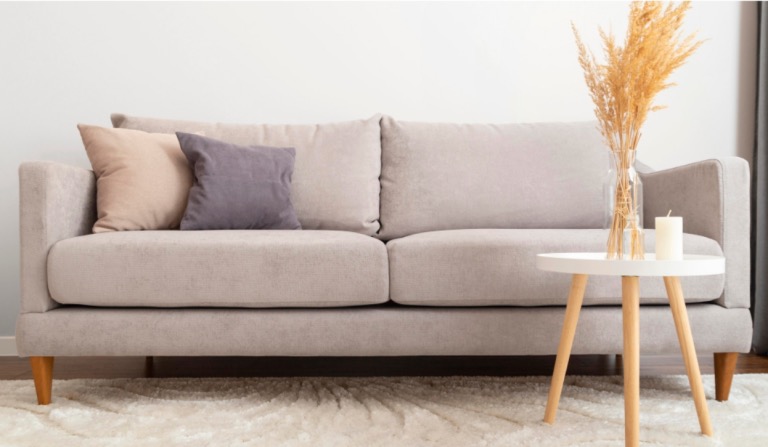
Finding the right sofa is about more than choosing a design that looks appealing. It is about selecting a piece that suits the available space, supports everyday comfort, and complements the overall style of the home. A 2-seater sofa has become a popular choice for households because it offers the ideal balance of functionality and versatility. Whether furnishing a compact apartment, creating a cosy reading corner, or completing a larger living area, this seating option provides comfort without overwhelming the room.
With thoughtful planning, a two-seater sofa can become the focal point of a living space while leaving enough room for movement, additional furniture, and decorative styling.
Why a 2-Seater Sofa Works So Well
A two-seater sofa is often associated with small homes, but its appeal extends well beyond compact spaces. Its practical size allows it to fit comfortably into a wide variety of room layouts while still providing generous seating for two adults.
In open-plan homes, a two-seater can define a dedicated living zone without interrupting the flow between dining and kitchen areas. In guest rooms or home offices, it creates a welcoming seating area that remains functional without dominating the space.
Its versatility also makes it a practical long-term investment. As living arrangements change, a two-seater sofa can easily move from the main lounge to a bedroom, study, or entertainment room, extending its usefulness for many years.
Choosing the Right Size
Although the label “2-seater” provides a general guide, dimensions can vary considerably between different designs. Measuring the available space before purchasing helps prevent overcrowding and ensures the sofa fits comfortably within the room.
Several measurements deserve close attention before making a decision:
- Overall width should leave enough clearance for walkways and surrounding furniture.
- Seat depth affects comfort, with deeper seats offering a more relaxed lounging experience while shallower designs encourage upright seating.
- Arm width influences both appearance and usable seating space, particularly in smaller rooms.
- Overall height should complement nearby furniture without making the room feel visually heavy.
Leaving sufficient space around the sofa improves movement throughout the room while creating a more balanced and inviting layout.
Finding the Right Style
One of the greatest advantages of a two-seater sofa is its ability to suit almost every interior style. The right design can either become a statement piece or blend seamlessly with existing décor.
Modern interiors often benefit from clean lines, slim arms, and raised legs that create a sense of openness. Scandinavian-inspired designs emphasise simplicity while helping smaller rooms appear brighter and more spacious.
The surrounding decor also plays an important role. Adding cushions, throws, and a carefully selected floor rug helps define the seating area while introducing warmth, texture and colour. Layering these elements creates a cohesive living space without requiring extensive decoration.
Selecting the Best Upholstery
The choice of upholstery has a significant impact on both comfort and maintenance. Different materials offer varying levels of durability, softness and practicality depending on the household’s needs.
Fabric sofas remain one of the most popular choices because they provide warmth and come in a wide range of colours and textures. Polyester blends are particularly durable and perform well in busy households with children or pets.
Cotton blends offer everyday comfort while remaining relatively easy to maintain. Linen blends create a relaxed coastal appearance that suits many modern homes, although they may wrinkle more easily and require additional care.
Velvet introduces a luxurious finish that works beautifully in formal living rooms, adding depth and richness to smaller seating arrangements. Textured woven fabrics also provide visual interest while helping disguise everyday wear.
Choosing an upholstery that matches your daily lifestyle ensures the sofa continues looking its best for years to come.
Prioritising Everyday Comfort
Style may attract attention initially, but comfort determines long-term satisfaction. A sofa used every day should provide adequate support while encouraging relaxation.
Seat cushions should offer a balance between softness and resilience. High-density foam maintains its shape well, while fibre-filled cushions create a softer, more casual feel.
Back cushions should comfortably support the lower back without forcing an upright posture. The height of the backrest also contributes to overall comfort, particularly during longer periods of sitting.
Testing different seating positions can help determine whether the sofa provides suitable support for reading, entertaining or relaxing after work.
Making the Most of Smaller Spaces
A compact sofa can transform even the smallest room when positioned thoughtfully. Rather than placing every piece of furniture against the walls, consider arranging the sofa to create a defined seating area.
Pairing the sofa with a compact coffee table, slim side tables and appropriate lighting creates a functional layout without making the room feel crowded. Choosing furniture with exposed legs also increases the sense of openness by allowing more floor space to remain visible.
Mirrors, neutral colour palettes and layered lighting further enhance the feeling of space while maintaining a comfortable atmosphere.
Who Benefits Most from a 2-Seater Sofa?
A two-seater sofa suits a wide range of homeowners and lifestyles.
Apartment residents appreciate its compact footprint, while first-home buyers often find it fits comfortably into evolving living arrangements. Families frequently use two-seaters alongside larger lounges to create additional seating areas for conversation or quiet relaxation.
Retirees may value its comfortable proportions, while landlords furnishing rental properties often favour its versatility and broad appeal. Even larger homes benefit from a two-seater placed in bedrooms, studies, sunrooms or reading nooks.
Its adaptability makes it one of the most practical seating options available.
Looking Beyond Current Needs
Furniture should continue serving its purpose as lifestyles change. A well-chosen two-seater sofa offers flexibility that larger seating arrangements often cannot match.
As households grow, rooms are renovated, or homes change, the sofa can easily transition into another area without appearing oversized or out of place. Investing in quality construction, durable upholstery and timeless styling helps maximise its lifespan while maintaining lasting visual appeal.
Choosing carefully today often reduces the need for replacement in the future.
Frequently Asked Questions
Is a 2-seater sofa suitable as the main sofa?
Yes. A two-seater sofa works well as the primary seating option in apartments, smaller homes and compact living rooms. It can also be paired with armchairs to increase seating capacity.
What size room is best for a 2-seater sofa?
A two-seater sofa suits both small and medium-sized living areas. Measuring the available floor space beforehand ensures comfortable movement around the furniture.
Which upholstery is easiest to maintain?
Durable polyester blends are among the easiest materials to care for, making them ideal for busy households with children or pets.
How can a 2-seater sofa be styled?
Layering cushions, a textured throw and a complementary floor rug creates a welcoming seating area while adding colour and personality to the room.
How long should a quality sofa last?
With quality construction and proper care, a well-made two-seater sofa can provide comfort and reliable performance for many years, making it a worthwhile investment for everyday living.
